
By Denzome Sampang
Sept. 9, 2025
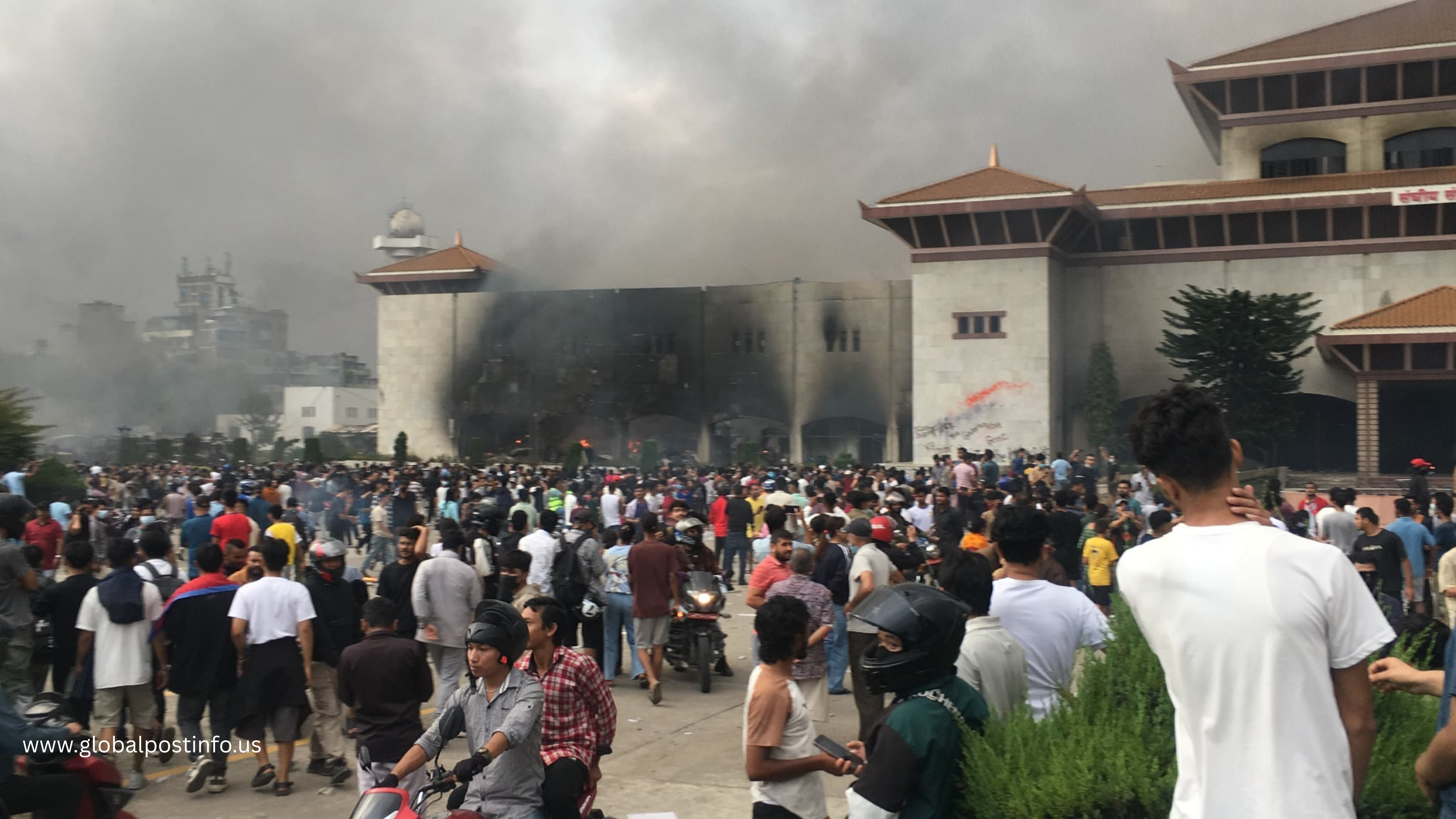
KATHMANDU, Sept 9 (Globalpostinfo) – Nepal’s Prime Minister K.P. Sharma Oli resigned Tuesday following days of violent youth-led demonstrations that erupted after a sweeping social media ban and spiraled into the country’s deadliest protest movement in decades.
It was 19 fatalities in initial reports, but subsequent updates from ongoing monitoring suggest the toll has climbed to at least 22. Injuries are estimated at more than 300, with hospitals in Kathmandu overwhelmed by casualties.
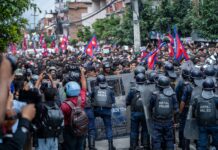
The protests began after the government blocked 26 social media sites, including Instagram, YouTube, Facebook, and WhatsApp, after they did not comply with new registration requirements. The decision was widely viewed as censorship, sparking demonstrations that quickly expanded into a broader anti-corruption uprising. Protesters carried national flags and placards with slogans such as “Shut down corruption, not social media.”
Demonstrators stormed the streets of Kathmandu and other major cities, setting fires at parts of Parliament and residences of senior leaders.
Despite the government lifting the ban on social media, protesters demanded mass resignations and systemic political reform.
Following the lethal crackdown, leading human rights groups like Human Rights Watch and Amnesty International issued condemnations and urged that independent investigations be launched.
The protest began as a defense of free expression, but it has exposed deeper frustrations over corruption, nepotism, and leaders unwilling to listen to their people.
The Nepali Army issued a statement on Tuesday, reaffirming its role in protecting national unity and security. It extended condolences to the families of those killed, wished a speedy recovery to the injured, and appealed for calm and restraint. “A republic is meant for the voice of its people,” the statement noted indirectly, urging young protesters to pursue change peacefully while preserving social harmony and national unity.
Nepal’s politics is in flux after Oli’s resignation. Curfews are still in force in Kathmandu, Itahari, and some other cities with patrolling by security personnel. Protesters have warned they will not go home until wider reforms are pledged.
For many, this moment has become more than just a clash over internet freedom; it is a generational demand for accountability and dignity in Nepal’s fragile democracy.